
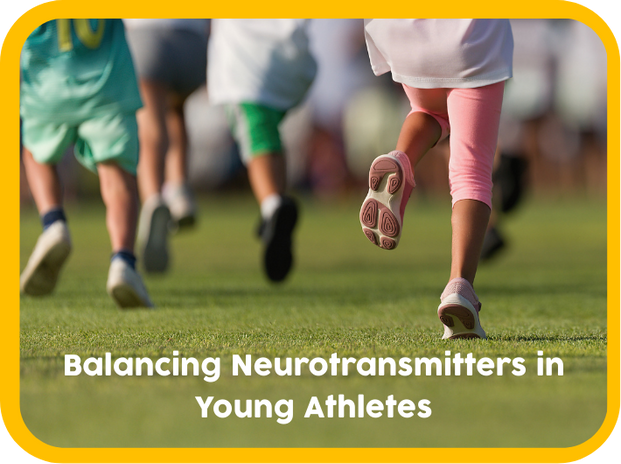
In the demanding world of youth athletics, maintaining optimal health and performance can be as challenging as the sports themselves. Young athletes often push their bodies to the limit, sometimes leading to an imbalance in essential neurotransmitters (brain chemicals), which can manifest as anxiety, fatigue, trouble sleeping, focus/concentration difficulties, and more.
For many, it may come as a surprise how essential neurotransmitters are in influencing athletic performance and recovery, particularly the balance among serotonin, dopamine, norepinephrine, GABA, and others. I have used the testing services offered by M2 Institute for many years to uncover the root causes of common symptoms we all experience that can be attributed to neurotransmitter imbalances. Using the results from their NeuroFocus 2 test, we establish a baseline and develop comprehensive strategies to support young athletes through amino acid therapy, nutrition, rest, and mindfulness practices.
One of my most recent consultations I had was with the family of a 15-year-old high school athlete, who works out five or more days a week, in addition to their games. They had started to experience anxiety, headaches, cravings for sugar and carbohydrates, and difficulties with focus. These are all very common symptoms associated with neurotransmitter imbalances. After taking the NeuroFocus 2 test, which evaluates levels of the seven primary neurotransmitters—serotonin, dopamine, norepinephrine, epinephrine, GABA, glutamate, histamine, and 5- HTP—the results revealed depleted levels of serotonin, norepinephrine, and epinephrine, and sub-optimal GABA.
It is quite common for athletes to have depletions in these neurotransmitters. During exercise, the stimulating neurotransmitters, dopamine, norepinephrine, and epinephrine levels rise. To achieve balance within the nervous system, the calming neurotransmitters GABA and serotonin must also increase. However, with ongoing stimulation from rigorous practices and games, these calming neurotransmitters can become depleted. Athletes may experience symptoms such as low motivation, feeling burned out, poor recovery, and an inability to perform at their previous levels. Additionally, anxiety and sleep disturbances are frequently observed when these neurotransmitters are depleted or out of balance.
Clinically, nearly every athlete I have tested for neurotransmitter imbalances has shown some level of disruption. Although they might not exhibit mood-related issues, these imbalances often manifest in performance and recovery challenges, anxiety, or issues with falling or staying asleep at night. The neuromuscular activation required for peak performance hinges on sufficient neurotransmitter levels. Therefore, incorporating neurotransmitter testing should be a cornerstone of maintaining overall health in athletes of all ages.
With this understanding, it becomes essential to implement strategies that support neurotransmitter balance and overall well-being in young athletes. Ensuring a nutrient-rich diet that includes plenty of fruits, vegetables, lean proteins, and whole grains can help provide the necessary vitamins and minerals. Incorporating foods rich in omega-3 fatty acids, such as fish, flaxseeds, and walnuts, can also support brain health and neurotransmitter production. However, it is crucial to recognize that athletes have an increased demand for B-vitamins, particularly B-6, B-12, and methylfolate, as they are essential cofactors in the production of neurotransmitters and hormones. Athletes may need to add an additional B complex supplement, such as Orthomolecular Products Methyl B-Complex, to guarantee that they have an ample supply of these cofactors available for these metabolic processes.
In addition to dietary changes, it’s important to emphasize the role of rest and recovery. Encouraging athletes to prioritize adequate sleep, manage stress with mindfulness practices, and incorporate rest days into their training schedule can help prevent neurotransmitter depletion. Moreover, exploring relaxation techniques like yoga or meditation can foster a sense of calm and improve focus, ultimately enhancing performance.
For athletes experiencing persistent symptoms, consulting with a healthcare professional who specializes in sports medicine or nutrition, as well as a Peoples Rx clinician, can provide personalized guidance. They may recommend supplements, such as B-complex vitamins, magnesium, and/or amino acids, to support neurotransmitter balance and energy levels.
By taking a holistic approach that combines testing, proper nutrition, rest, and mental wellness strategies, young athletes can maintain their performance levels while safeguarding their mental and physical health. This proactive approach not only addresses immediate concerns but also sets a foundation for long-term well-being and success in their athletic pursuits.
Author: Jessica Wilhelm, Director of Wellness at Proples Rx, Austin’s Wellness Headquarters
*These statements have not been evaluated by the Food and Drug Administration. This product is not intended to diagnose, treat, cure, or prevent any disease. *Check with your healthcare practitioner if you are nursing, pregnant, are under 18, or following a doctor-prescribed protocol.