
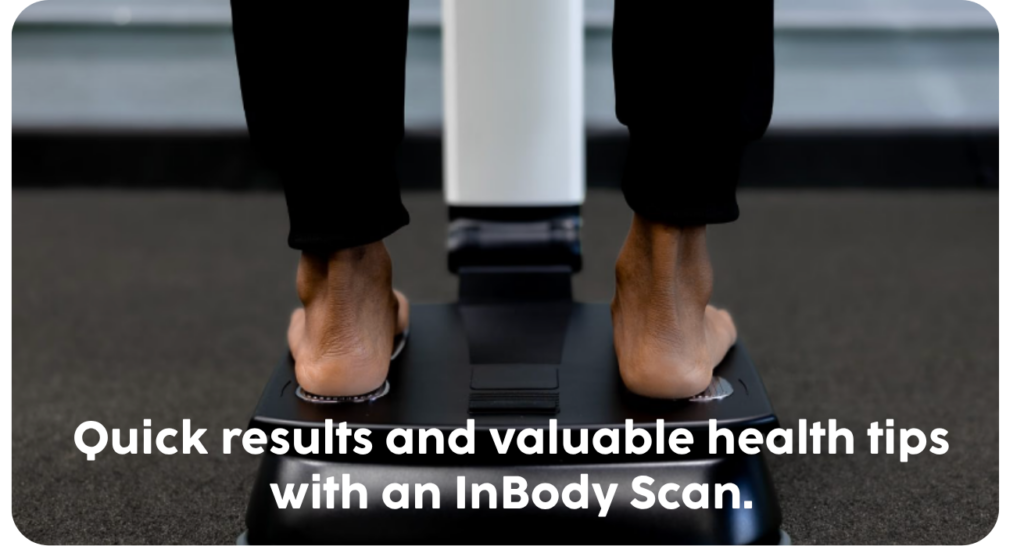
What an InBody wellness scan reveals — and how to use the data to feel and function better. It is simple and accessible for all.
At Peoples, we believe in being proactive with your health. An InBody scan is a practical, noninvasive way to translate scan results into a real-time, actionable plan to optimize your health and even your metabolic age, with individualized guidance from a Peoples wellness expert that helps you know what to do with your results. We are outlining the meaningful metrics you will benefit from, how our wellness experts interpret them, and simple, safe actions you can take based on your results.
Why body composition matters more than the scale
Weight alone is an incomplete story. Two people with the same weight can have very different proportions of muscle, fat, and fluid, and those differences influence energy, mobility, medication needs, and metabolic health. An InBody scan provides a fuller picture by measuring several components that matter for everyday well-being and for tailoring personalized wellness plans, such as supplementation for deficiencies and hormone-balancing.
Key benefits of an InBody scan
- Accurate baseline to track progress (muscle gain, fat loss, hydration changes, metabolic age, and BMI)
- Data to personalize nutrition, exercise, and natural supplementation plans.
- Better-informed conversations with your Peoples wellness team and practitioners.
Common metrics explained — in plain language
Here are the core measurements most InBody scans provide and what they usually mean for a person’s daily life.
Body fat percentage
Shows how much of your weight comes from fat. Rather than chasing a number, use this metric to prioritize healthy fat-loss strategies (balanced nutrition + strength training) and to monitor changes over time.
Lean mass (muscle)
Includes skeletal muscle and other fat-free tissues. Increasing lean mass helps maintain strength, balance, and metabolic rate.
Visceral fat
Visceral fat is fat stored around the internal organs. Higher levels are associated with inflammation, insulin resistance, fatty liver, and increased risk for metabolic and cardiovascular disease. Because visceral fat is influenced by diet, stress, sleep, and activity level, lifestyle changes can significantly improve this number over time. Context matters, and results should always be interpreted along with lifestyle history and overall health markers.
Hydration / Total body water
Hydration affects energy, digestion, and the accuracy of other metrics, and because electrolyte balance plays a key role in cellular hydration, imbalances can contribute to dehydration even when fluid intake is adequate. Proper hydration is also a simple, immediate lever to improve how you feel day to day
Basal Metabolic Rate (BMR) and Metabolic Age
BMR estimates how many calories your body uses at rest. Use this to set realistic intake goals and to understand how increases in muscle can raise daily energy needs. What Is Metabolic Age and How Does It Affect Your Health?
How scans are done and what to expect
The InBody scan is a safe, non-invasive standing device that measures how electrical signals travel through the body to estimate metrics.
Watch our video on what to expect when getting an InBody scan at Peoples, and schedule your InBody scan.
Preparing for an accurate scan
- Wear light clothing; avoid heavy jewelry.
- Hydrate normally (don’t overdrink right before the test).
- Avoid intense exercise and large meals within a few hours of the scan.
Interpreting results
Numbers are most useful when placed in context. At Peoples, our wellness team and practitioners pair scan results with your goals, health history, and lifestyle to create actionable plans. Here’s how we typically translate the data:
- Low muscle mass + fatigue: We can discuss protein goals, strength training, and targeted supplementation to help support muscle mass, improve nutrition, and increase energy levels.
- Elevated visceral fat: We will review offerings to test hormone levels, stress, gut health, and food sensitivities that cause inflammation.
- Low hydration: Review practical hydration strategies and review other contributing factors that may affect fluid balance. Hydration affects metabolism, digestion, energy, and mental clarity.
Practical action plan after your scan
- Set one measurable goal. Examples: Increase protein intake, add electrolytes, or improve sleep by 30 minutes nightly with Magnesium.
- Create a small, sustainable program. We prefer 8–12 week plans with measurable checkpoints and adjustments from your Peoples Wellness team.
- Re-scan and refine. Repeat scans every 8–12 weeks to track trends rather than daily fluctuations, and adjust your wellness plan accordingly for optimal results and benefits.
Common questions and realistic expectations
Will an InBody scan tell me if I’m “healthy”?
An InBody scan provides helpful metrics, offering a baseline to explore whether supplementation would be beneficial alongside lifestyle modifications, and whether additional testing or exams are needed.
How often should I test?
For most people, every 8–12 weeks is appropriate to experience meaningful changes. If you’re starting a new medication or therapy that affects fluid or body composition, your Peoples wellness team may recommend a different schedule.
Can I take action on my own?
Yes — but remember that guidance from a Peoples wellness expert helps turn data into a safe, impactful wellness plan.
Simple next steps — ready when you are!
If you’re curious about an InBody wellness scan, here are three easy ways to begin with Peoples:
- Book a Peoples InBody scan at our Westlake or North Lamar locations. The scan and visit includes a 20-minute consultation with a Peoples Wellness expert.