
Why Gut Issues Could Be The Root Cause Of More Than You Think
It Starts with a Gut Feeling…
We hear it all the time, “All health begins in the gut.” And it’s true. Your digestive system isn’t just about breaking down food; it’s a hub for hormone regulation, immune function, detoxification, metabolism, and even mood. When it is out of balance, the ripple effects can manifest in surprising ways, including skin issues, fatigue, bloating, brain fog, stubborn weight gain, and other health concerns.
Why is the gut called the second brain?
The enteric nervous system, which regulates our gut, is often called the body’s “Second Brain”. Although it can’t compose poetry or solve equations, this extensive network uses the same chemicals and cells as the brain to help us digest and alert the brain when something is amiss.
The gut-brain axis is a bidirectional communication network that links the enteric and central nervous systems. This network is not only anatomical, but it extends to include endocrine, humoral, metabolic, and immune routes of communication as well. The autonomic nervous system, hypothalamic-pituitary-adrenal (HPA) axis, and nerves within the gastrointestinal tract all link the gut and the brain, allowing the brain to influence intestinal activities, including the activity of functional immune effector cells.
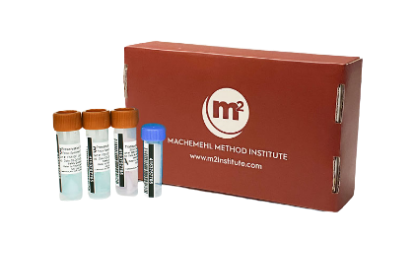
Unfortunately, many people guess at what their gut needs. They try probiotics, enzymes, or elimination diets without knowing the root cause. That’s where the Gut Health Test makes all the difference.
Signs you may have an unhealthy gut:
- Frequent discomfort. Gas, bloating, constipation, diarrhea, and heartburn could be signs that your gut is having a hard time processing food and eliminating waste.
- Feeling tired more often than not. People with chronic fatigue may have imbalances in the gut. One study found that almost half of people with fatigue also had IBS.
- Having trouble sleeping in general. An unhealthy gut can cause insomnia and poor sleep, which leads to fatigue. The majority of your body’s serotonin, which affects mood and sleep, is produced in the gut. So, when there’s bacteria or inflammation in the gut, your sleep may be affected as well.
- Intolerant to some foods. Food intolerances may be caused by poor-quality bacteria in the gut. You may have a food intolerance if you struggle to digest certain foods. This can cause bloating, gas, diarrhea, nausea, and abdominal pain.
- Extreme food cravings, especially for sugar. Eating too much sugar can cause too much “bad” bacteria in the gut. High amounts of sugar, especially high-fructose corn syrup, are linked to inflammation in the body and put you at risk for other diseases.
- Unintentional weight gain or loss. When your gut is imbalanced, your body may struggle to absorb nutrients, store fat, and regulate blood sugar. Weight loss or gain may be caused by bacterial overgrowth or a lack of nutrients.
- Skin irritations. Some skin conditions, like acne, eczema, and psoriasis, may be related to gut issues.
- Migraines. There may be a link between headaches and gut health, especially if you experience nausea or vomiting with migraines. Studies suggest that people with frequent headaches are more likely to have gastrointestinal disorders.
- Autoimmune problems. Some “bad” gut bacteria may trigger autoimmune conditions like thyroid issues, rheumatoid arthritis, multiple sclerosis, and type 1 diabetes.
- Frequent mood changes. Gut problems and inflammation in the nervous system can lead to anxiety and depression.
How do you balance your gut health?
Eat plenty of whole foods. The body needs the components in real, fresh food to repair damage and rebuild healthy new tissue. Whole foods are full of vitamins, minerals, and phytonutrients, plus enzymes the small intestine needs to heal. However, many patients have a difficult time digesting “healthy foods.” It’s important to keep track of how your body reacts to these foods. Keep track of the frequency and a change in bowel habits, such as harder, looser, or more urgent stools than usual. Diets lacking in whole nutrient-dense foods and high in processed foods are associated with changes in mood, behavior, anxiety, etc.
Prioritize Foods: Limit starchy vegetables (corn and potatoes) and get 3-4 servings of lean protein each day (chicken, turkey, fish, eggs, beans). Make sure to rotate protein sources. Eat plenty of healthy, whole-food fats like extra virgin olive and coconut oil, avocados, raw walnuts, and pumpkin seeds — they help strengthen cellular membranes. As your body heals, it will get rid of toxins and unhealthy byproducts through your large intestine. You’ll need adequate fiber to eliminate the toxic waste material as quickly and efficiently as possible. Eat fermented foods. To get your good probiotic bugs to stick around, eat daily servings of prebiotic- and probiotic-rich foods such as kefir, yogurt (dairy or nondairy), sauerkraut, tempeh, and kombucha.
Fiber: The best high-fiber foods are colorful vegetables, berries, legumes, nuts, seeds, and whole-kernel grains.
- Adults should get at least 30 grams of fiber each day
- For children 3-18 years use the “age+5” rule (10 years + 5 = 15g of fiber)
Water: Drink at least half your body weight in ounces of water each day. So, if you weigh 200 pounds, you should aim to drink a minimum of 100 ounces of water daily. This will ensure you are detoxifying and eliminating properly.
Exercise regularly: Moving your body improves the healthy microbes in your body, keeps your bowel movements regular, and prevents disease while improving your overall health.
Get enough sleep: Aim for 7-8 hours each night will help balance your hormones and prevent many scenarios that can negatively impact your digestive health, like stress or eating too close to bedtime.
Reduce stress: Some studies show that people who have early-life stress are more likely to develop IBS. Finding ways to manage your stress can help manage your gut, too.
Wellness Supplements to promote and achieve optimal gut health:
Digestive enzymes: The lining of the intestinal tract is lined with millions of villi and microvilli, which are finger-like projections covered with digestive enzymes that help us digest and absorb nutrients. These enzymes are what the body needs to break food into its individual parts in order to be used by our cells: carbs, fats, and proteins. In a leaky gut, where these villi have become damaged, and there are literally holes in the gut, enzyme support is crucial to healing and rebuilding villi. Taking supplemental enzymes before you eat gives the GI tract a jump-start on digestion, making food easier to break down and nutrients easier to absorb. In most cases, the villi rebound over the course of a few weeks, but it may take well over a month.
Glutamine: The most plentiful free amino acid in the body that supports immunity and digestion by fueling the cells that line the small intestine. This is important for removing excess ammonia (a common waste product in the body). It also helps your immune system function and may be needed for normal brain function and digestion.
Prebiotics: Prebiotics are a source of food for your gut’s healthy bacteria. They’re carbs your body can’t digest. So they go to your lower digestive tract, where they act like food to help the healthy bacteria grow.
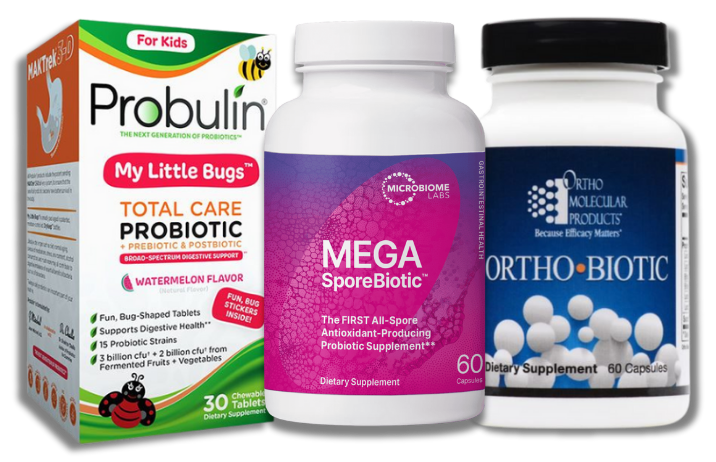
Probiotics: Once your body has patched up the leaks in the gut, you need to help it grow a healthy layer of good bacteria — flora that help protect the GI tract and assist with digestion. Probiotic therapy rejuvenates and replenishes a microbiome damaged by antibiotics or a poor diet.
Colonizing a healthy layer of beneficial bacteria can strengthen the immune system, improve metabolism and digestion, help your body make vitamins (B and K), and aid in the absorption of nutrients. Please note that it is important to include a probiotic that contains a variety of healthy bacteria. Look for probiotics supplements that include the bifidobacterium species infantis, longum, bifidum, as well as the lactobacillus species reuteri, plantarum, and acidophilus. Remember to swap out your probiotic supplement every 3 months. This will ensure the intestinal tract gets a variety of healthy bacteria.
Omega-3 fatty acids: The gut uses fatty acids to calm inflammation and rebuild healthy cell walls. They may help improve the integrity of the intestinal barrier, a protective wall inside the stomach that allows nutrients from food to pass through the body to be used for energy and blocks harmful microbes and toxins from entering the bloodstream.
Vitamin D: Helps decrease IBS symptoms. Vitamin D deficiency may increase the risk of chronic constipation. It also helps maintain the physical and functional integrity of the gut mucosal barrier by reducing the permeability of epithelial cells and modulating tight-junction proteins.
Collagen: Collagen does indeed aid in digestion. It supports the digestive tract’s structural integrity and actively assists in nutrient breakdown and absorption, which can greatly enhance digestive efficiency and overall gut health.
Schedule a Test Kit Consult with a Practitioner
Test kit consultations are specifically designed to review the results of test kits purchased either online or
in-store. Practitioner consultations can only be scheduled online by clicking on the practitioner’s profile.

Robin Feffer
CCN, CCH
Weight Management, Stress, Sleep, Menopause, Gut, Food Sensitivities, Neuro Focus, Metabolomics

Ben Green
DTCM, AOBTA
Stress, Sleep, Weight Management, Neuro Focus, Food Sensitivities, Gut Health, Genetic

Zulma Gregory
MAC OM, ACN
Weight Management, Gut Health,
Food Sensitivities
(*These statements have not been evaluated by the Food and Drug Administration. This product is not intended to diagnose, treat, cure, or prevent any disease. *Check with your healthcare practitioner if you are nursing, pregnant, under 18, or following a doctor-prescribed protocol.)