
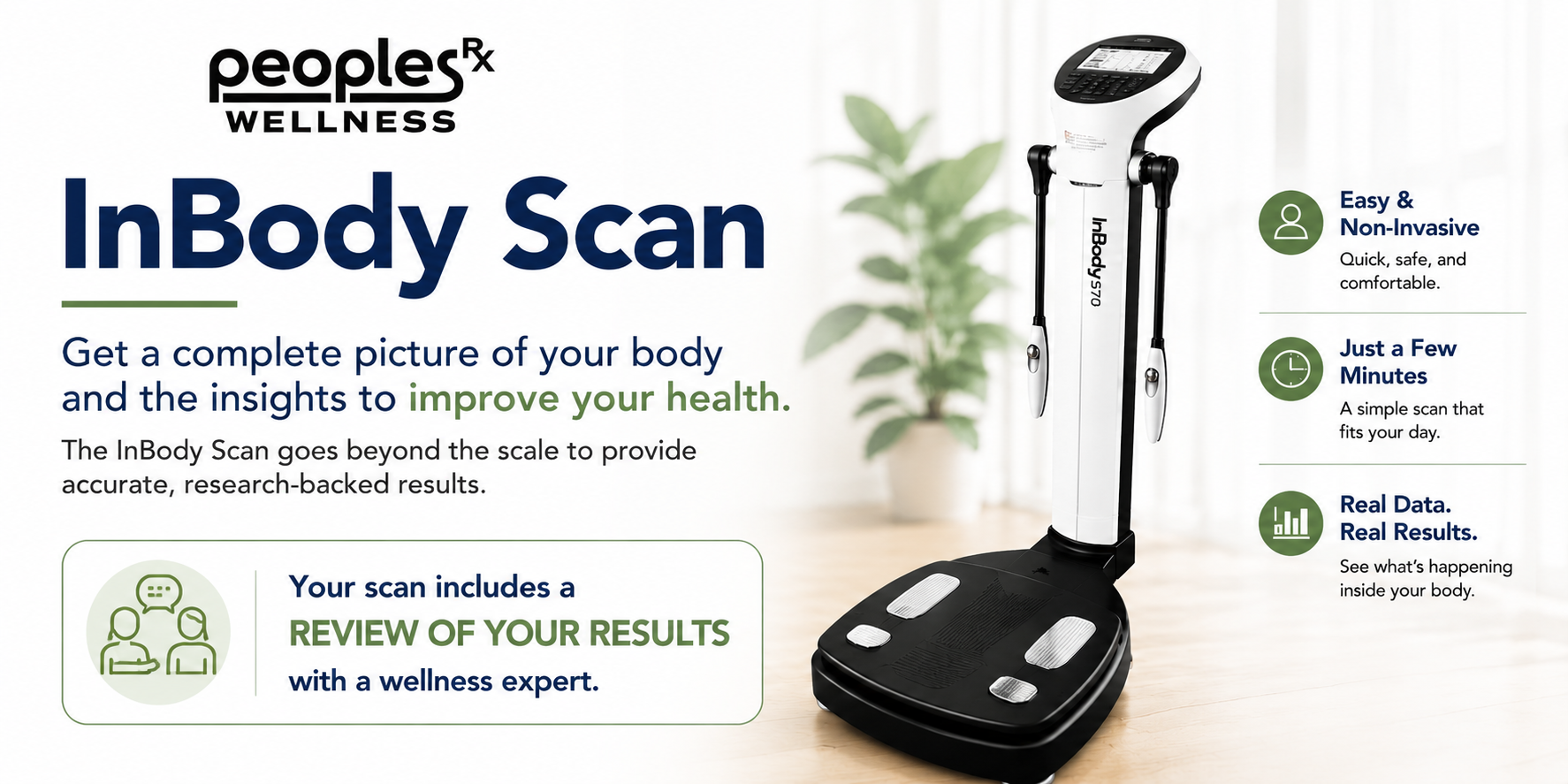
How the InBody Scan can be a valuable tool for monitoring cardiovascular health by providing detailed insights into body composition and key health metrics. Here’s how it contributes:
1. Tracks Body Fat Percentage and Visceral Fat
- Excess body fat, particularly visceral fat, is a significant risk factor for cardiovascular disease (CVD).
- The Visceral Fat Level measurement allows individuals to assess their risk of heart-related conditions like high blood pressure, high cholesterol, and type 2 diabetes.
- Regular scans help monitor fat reduction efforts and the effectiveness of lifestyle changes.
2. Monitors Skeletal Muscle Mass
- Low levels of skeletal muscle mass can be associated with poor metabolic health, which affects heart function.
- By tracking muscle mass, users can ensure they’re maintaining or improving lean body tissue to support a healthy metabolism and overall cardiovascular health.
3. Tracks Body Water Levels
- The scan measures intracellular and extracellular water levels, which can reveal imbalances such as water retention or inflammation.
- Inflammation and fluid retention can be linked to heart and vascular health, particularly for individuals with conditions like hypertension or heart failure.
4. Basal Metabolic Rate (BMR)
- Understanding BMR helps individuals manage calorie intake and expenditure, which is crucial for maintaining a healthy weight and reducing cardiovascular strain.
5. Assesses Progress and Goal Setting
- The scan provides clear, trackable data that allows for monitoring the impact of diet, exercise, and other interventions aimed at improving heart health.
- It offers an objective way to assess cardiovascular risk factors over time.
6. Encourages Personalized Interventions
- Data from the InBody 570 scan can guide personalized strategies for reducing cardiovascular risk, such as:
- Tailored exercise programs focusing on fat loss and muscle gain.
- Nutritional adjustments to address fat distribution and metabolic health.
7. Supports Healthcare Collaboration
- Results from the InBody 570 can be shared with healthcare providers to develop comprehensive plans to improve cardiovascular health and prevent heart disease.